
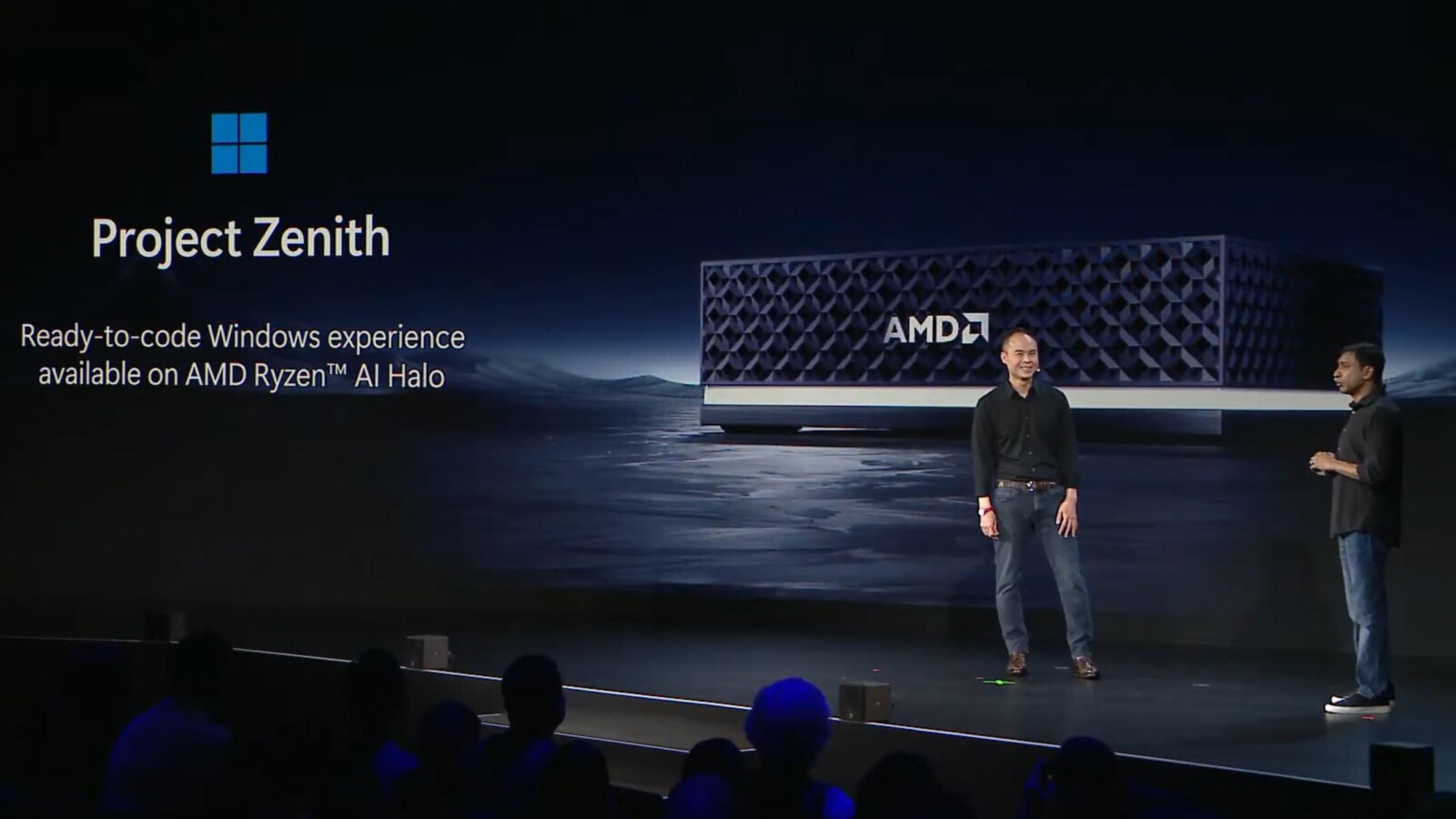
Project Zenith is the new name Microsoft has given to its developer-optimised version of Windows, positioning it as a streamlined, distraction-free environment aimed squarely at software creators. The initiative builds on an earlier developer-focused Windows effort that the company originally unveiled at its Build conference earlier this year.
Unlike that broader announcement, Project Zenith is designed specifically for new developer-focused devices equipped with 64GB or more of unified memory. That hardware threshold reflects the demanding workloads these machines are intended to handle, particularly in the area of local artificial intelligence development.
What Project Zenith offers developers
According to Logan Iyer, CVP of Windows platform and developer at Microsoft, the devices arrive with a preconfigured Windows setup tailored for development, alongside a curated collection of tools that developers typically reach for first. The intention is to reduce friction from the outset, allowing users to begin building without extensive setup or configuration.
“Project Zenith devices come with a preconfigured Windows setup for development and a set of tools curated for what developers reach for first,” Iyer explained. He added that on these devices, developers can run 30B+ parameter models locally and unmetered, accelerating experimentation.
A focus on local AI workloads
The emphasis on unified memory is central to the concept. By requiring 64GB or more, Microsoft is targeting the ability to run large language models directly on the device rather than relying on cloud-based services. The capacity to run 30B+ parameter models locally and without metering is presented as a key advantage, removing usage limits that can slow down experimentation and iteration.
This approach places local AI development at the heart of the Project Zenith proposition. Running sizeable models on-device offers developers greater control over their workflows and can support faster testing cycles, since work is not gated by remote infrastructure or associated usage costs.
The naming of the project marks a step towards formalising Microsoft’s developer hardware and software strategy for Windows. By combining a distraction-free operating system experience with hardware specifications geared for AI, the company is signalling where it sees demand growing among the developer community.
Project Zenith devices are built around the combination of a preconfigured, development-ready Windows installation and the memory capacity needed to support substantial on-device model execution.
Source
Image: theverge.com