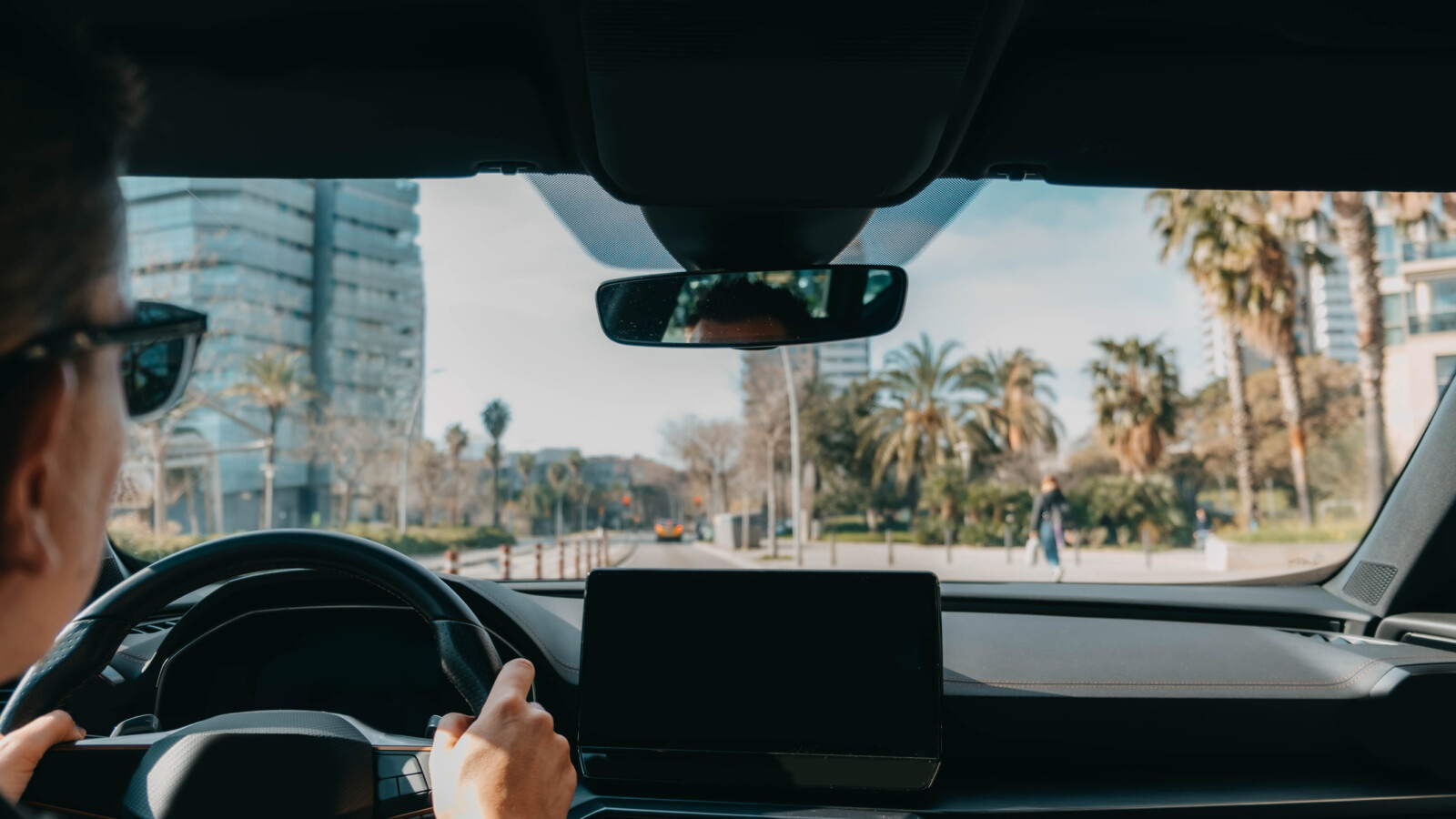
MapQuest has brought its navigation service to Android Auto, allowing drivers to display the app on their dashboard infotainment screens as an alternative to Google Maps. The integration is currently in an experimental phase for users who have Android Auto enabled.
The 30-year-old app announced the new feature on X. Android Auto is a software system that lets Android phone apps appear on a vehicle’s dashboard screen, functioning much like a computer monitor. By connecting a phone to the system, drivers can access mapping apps such as Google Maps, Waze and now MapQuest, alongside music streaming, podcasts and AI assistants such as Google Assistant or Gemini for sending texts and making calls.
Apple users have not been left out. A message on MapQuest’s help centre noted that CarPlay support is coming to the MapQuest iOS app soon.
New Features and Comparison
Beyond standard navigation, the MapQuest app is trialling a crowdsourcing feature on Android Auto. Drivers and passengers can report accidents, road closures and activity by police and other first responders, giving other motorists advance notice of conditions ahead.
Both MapQuest and Google Maps cover the basics: planning a route between two points with estimated travel times, spoken turn-by-turn directions and search functionality for finding businesses and locations. Google Maps additionally offers public transit directions, indoor maps for shopping centres and airports, and user reviews of businesses through its integration with Google Search.
MapQuest did not specify whether all Android Auto users would gain access or how long the beta testing period would last.
MapQuest Back in the Spotlight
The company launched on 5 February 1996 and, within a few years, controlled nearly all of the online mapping market, recording 2 million page views per day in 1999. Its decline began after Google launched its maps app in 2005.
The recent surge in attention followed MapQuest’s refusal to relabel Lake Ontario as Lake America on its maps, as called for in an executive order issued on 27 August. Google and Apple complied, while MapQuest and Microsoft did not.
Within days, MapQuest became the number one most-downloaded app in the US, recording more than 1.5 million downloads since the order. The company also created a widget that lets users name the lake whatever they choose.
MapQuest General Manager Doug Berger described the response as completely shocking, saying the company was absolutely blown away.