
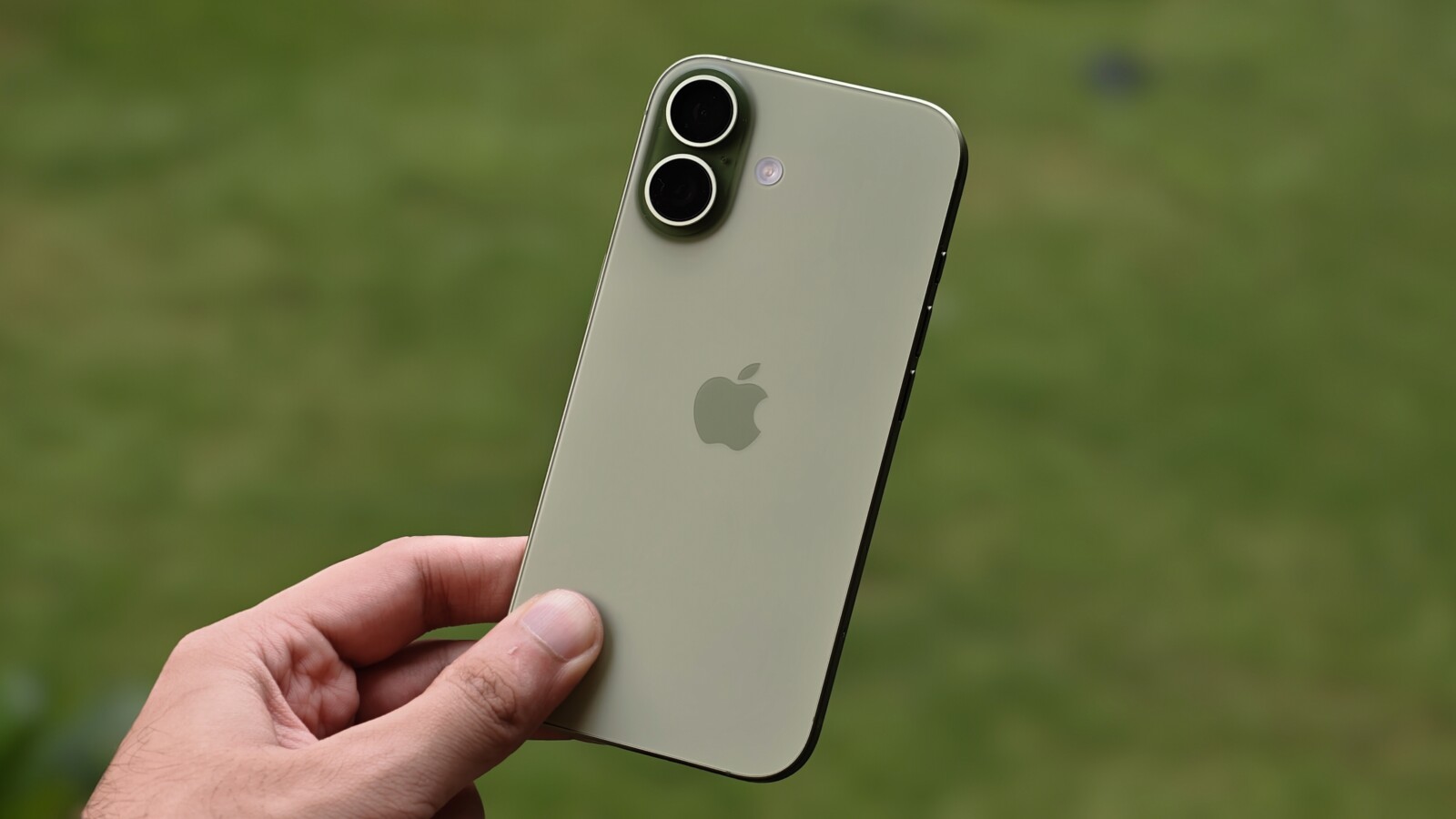
The iPhone 17 has quietly grown into one of the strongest value propositions in Apple’s line-up, now priced at around £630. Launched last year, it narrowed the gap between the company’s entry-level handset and the pricier Pro models, introducing long-overdue display upgrades alongside camera and durability improvements. Features such as Center Stage, Apple’s selfie camera system, and Dual Capture were made available across the entire range, adding to its appeal.
A year on, it has become the most affordable entry-level flagship on the market. Rivals Samsung and Google have raised the prices of their comparable models following a surge in RAM costs driven by AI and data centre demand, leaving the iPhone 17 well positioned against its Android competitors.
August is typically the point at which prospective buyers are advised to hold off and wait for the next release. In 2026, however, the situation is different. With the next-generation iPhone announcement scheduled for 9 September, rumours suggest the iPhone 18 will not arrive until March 2027, launching alongside the iPhone 18E. That leaves the iPhone 17 competing against newer models for an extended period, and makes it a sensible choice for anyone needing a new handset before spring 2027 or unwilling to pay upwards of £870 for an iPhone 18 Pro.
Display, Durability and Camera Upgrades
The iPhone 17 arrived with several significant improvements, many of which are noticeable in daily use. The screen is finally on par with Apple’s Pro models and with equivalent Android devices. It runs at a smooth 120Hz refresh rate that adapts to on-screen content to conserve battery. Compared with the iPhone 15, the smoother visuals are immediately apparent when scrolling, giving the phone a faster and more responsive feel.
The display is also brighter and less reflective than its predecessor, a difference that stands out when navigating outdoors or under bright lighting. Placed against the new Pixel 11, which is equally bright, the iPhone 17’s smaller bezels make its screen more pleasant to view.
Durability has improved too. The handset uses Ceramic Shield 2 glass, the same material found on the iPhone 17 Pro, which has held up well against scratches and drops in extended real-world use compared with the 2024 iPhone 16 Pro.
Perhaps the standout upgrade is the selfie camera. The new 18-megapixel square sensor is more of a quality-of-life enhancement than a simple specification bump, allowing landscape selfies without rotating the phone. The viewfinder automatically repositions its framing according to the number of people in the shot.
The front camera also enables Center Stage, which tracks the subject during video calls on both FaceTime and third-party apps, keeping them in frame even while moving. Combined with improved stabilisation, the auto-framing feature makes self-recording considerably easier. The iPhone 18 is not expected to launch until March 2027.