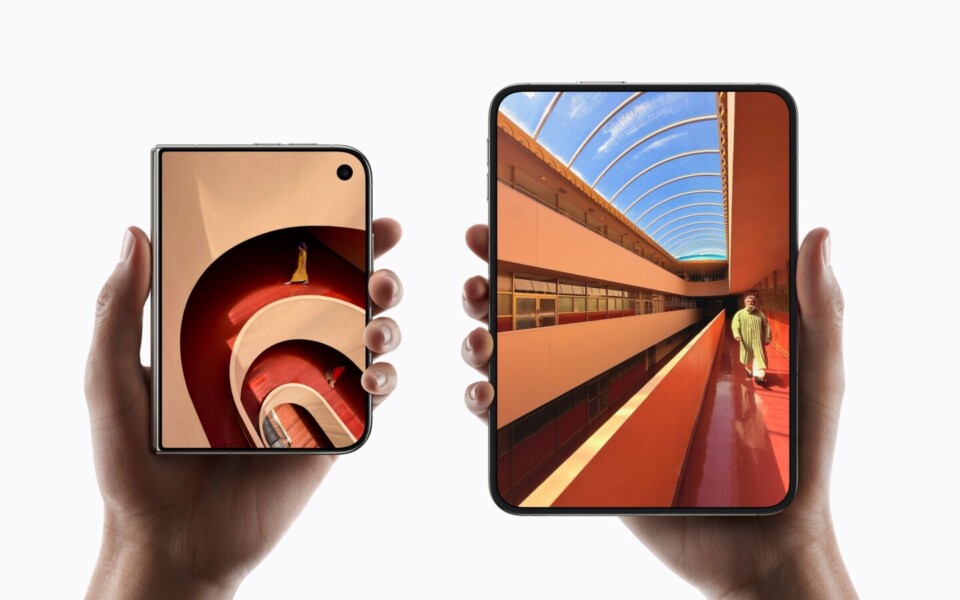

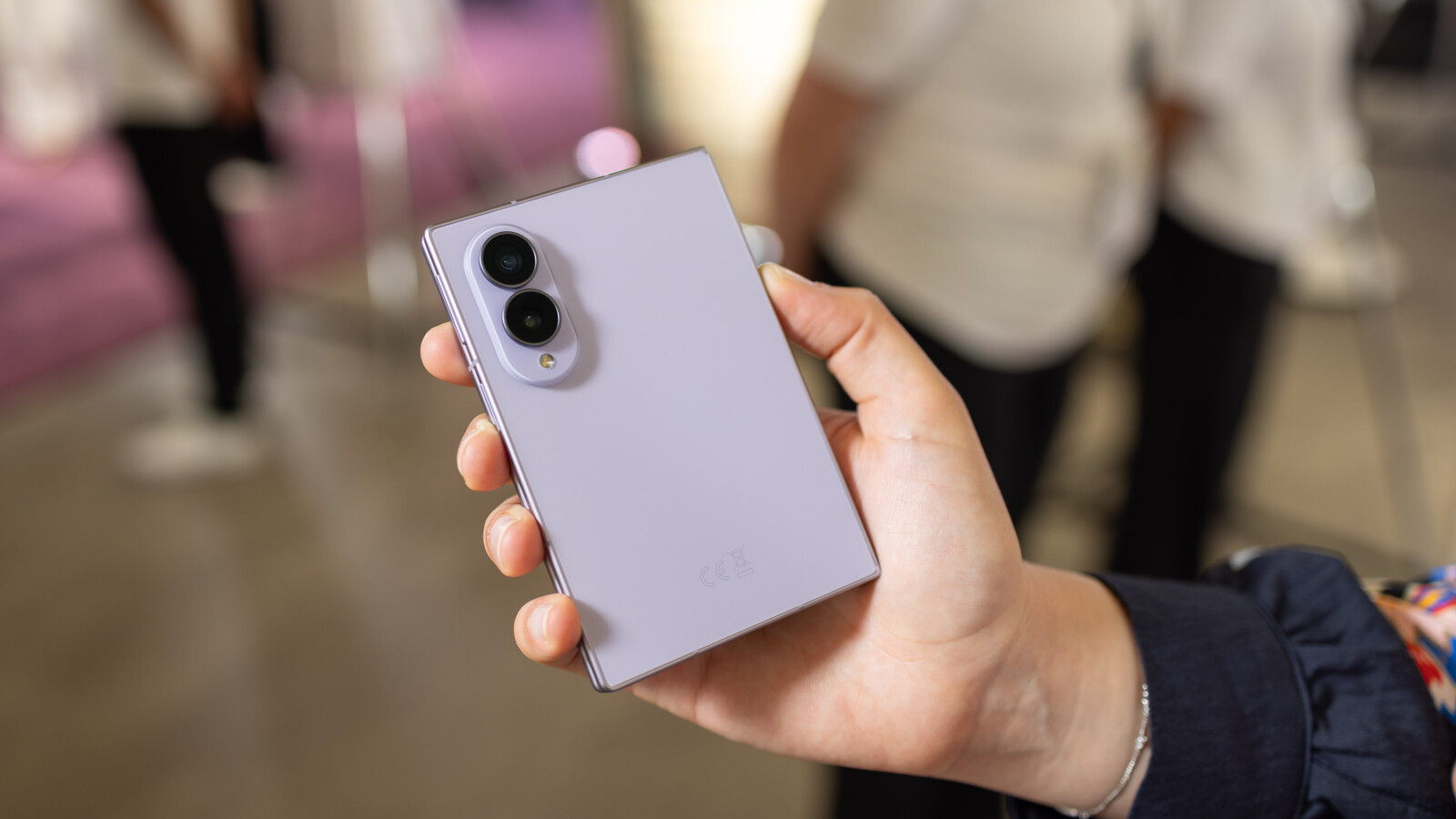
The Samsung Galaxy Z Fold 8 has emerged as one of the most compelling foldable handsets on the market, thanks to a compact, passport-size form factor that blends versatility with genuine everyday usability. Its inner display suits landscape video viewing and portrait scrolling equally well, while the slim profile makes it easy to carry.
The device measures just 4.5mm thick when unfolded and 9.7mm when folded, tipping the scales at only 201 grams. That lightweight build means it slips almost unnoticed into a pocket, and its striking design has proven to be a genuine talking point in social settings.
In recent years, manufacturers have introduced a wide range of inventive designs, from the ultraslim Galaxy S25 Edge and iPhone Air to the Galaxy Z Fold 7 and the futuristic Honor Robot Phone. Even so, the palm-size Z Fold 8 stands out for being both satisfying to hold and highly practical in daily use.
Where the Z Fold 8 Falls Short
The Z Fold 8 is not without compromises. It carries just two rear cameras, a 50-megapixel wide and a 50-megapixel ultrawide, with no dedicated telephoto lens. The 4,800-mAh battery comfortably lasts a full day but does not break any endurance records.
The absence of built-in magnets for Qi2 charging is a notable omission for a device launched in 2026. Pricing is also steep, with a starting figure of around £1,500.
Despite these drawbacks, the design remains the phone’s strongest asset. The 5.5-inch cover screen handles texts and emails without feeling cramped, while the 7.6-inch inner display offers ample space for multitasking or streaming. Turned on its side, the Z Fold 8 becomes a phone-tablet hybrid suited to social media browsing or document editing.
A Foldable iPhone on the Horizon
Attention is now shifting towards Apple, which is expected to reveal its own passport-size foldable at an event on 9 September. The arrival of a foldable iPhone could either overshadow the Z Fold 8 or drive renewed interest in the category as a whole.
Speculation suggests the device, provisionally referred to as the iPhone Ultra, may adopt a similar 4:3 aspect ratio. Such a design could bring comparable compromises, including scaled-back cameras and reduced battery life relative to non-folding premium models. Should the iPhone Ultra follow the Z Fold 8’s blueprint, however, buyers may prove willing to accept those trade-offs.
Francisco Jeronimo, vice president of client devices at International Data Corporation, noted that Apple customers tend to place less weight on value for money when a product offers novelty. Apple’s foldable is anticipated to make its debut alongside the company’s September line-up.