
Black hair in video games continues to be poorly represented, prompting one prominent creator to speak out against a recurring shortcut used across the industry. Udogaranya, better known as Ebonix, has spent more than a decade producing custom content for life-simulation games, driven by a desire to help players see themselves reflected on screen. Her frustration, however, stems from the physical toll of the work: the painstaking hours and meticulous precision required to craft a convincing digital coil, braid, or kink.
“I thought to myself, why am I still having to do this?” Udogaranya, a technical artist with a degree in psychology, says.
Players of titles such as The Sims regularly browse her sites to download custom hair packs inspired by real-life styles that are otherwise unavailable in-game. The Ebonix Patreon currently has more than 115,000 members and hundreds of free and paid content items. The demand exists for a straightforward but disappointing reason: natural Black hairstyles have historically been underrepresented, and the technology used to render them has been slow to improve.
Why ‘Killmonger Locs’ Keep Appearing
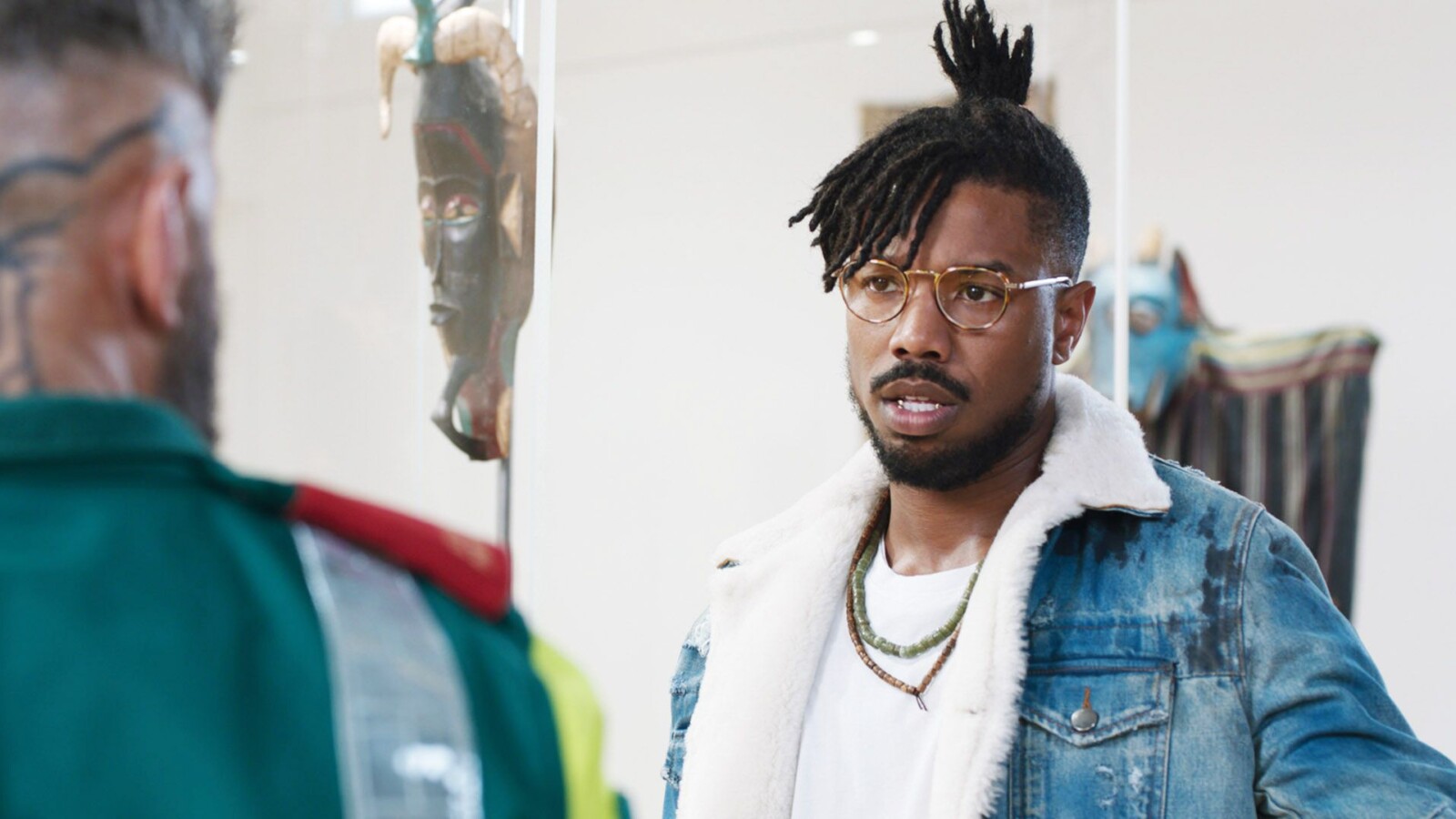
“With new games coming out now, I’m still seeing the issues, and I’m still seeing the ‘Killmonger locs.’ God forbid we get more than three options,” Udogaranya says. The term refers to the stiff, short-dreaded style worn by Michael B. Jordan’s character in Black Panther, which became a default in numerous games as well as some films. Similar examples appear across old and new franchises alike, including Tekken 8, Spider-Man 2, Apex Legends and Horizon Zero Dawn.
The reason for this default comes down to code that was never designed for textured hair. “If you’re making straight hair, it’s very easy to taper the ends and then make it cute,” Udogaranya explains. “But when you’re trying to add a black texture on it, it looks like a hot dog.” As a result, rigid, cylindrical locs are simpler to produce than other natural styles.
A Problem Rooted in Gaming History
Black hair has been a design afterthought since some of the first Black characters entered the medium. In early 8-bit games, such as SEGA’s Heavyweight Champ from 1976, Black hairstyles were rendered to emphasise minstrel-like stereotypes. During the rise of fighting games in the 1980s and 1990s, Black hair options were limited because Black character selections were limited; in Street Fighter, only one of the twelve options was a Black character. When The Sims launched in 2000, it offered limited customisation, with hair swatches tied to different face options. The game included three skin-tone swatches, described as fair, medium and dark, yet natural hairstyle options were virtually non-existent.
In the decades that followed, 3D animation and customisation flourished, but Black hair trended towards only a handful of swatches, most offering little movement. Efforts to address the issue have emerged. Dove and the Open Source Afro Hair Library launched Code My Crown in 2023, described as a complete and free guide for coding textured hair and protective styles in video games. Most of the natural hairstyles in The Sims 4 come from expansion and stuff packs costing around £8.