
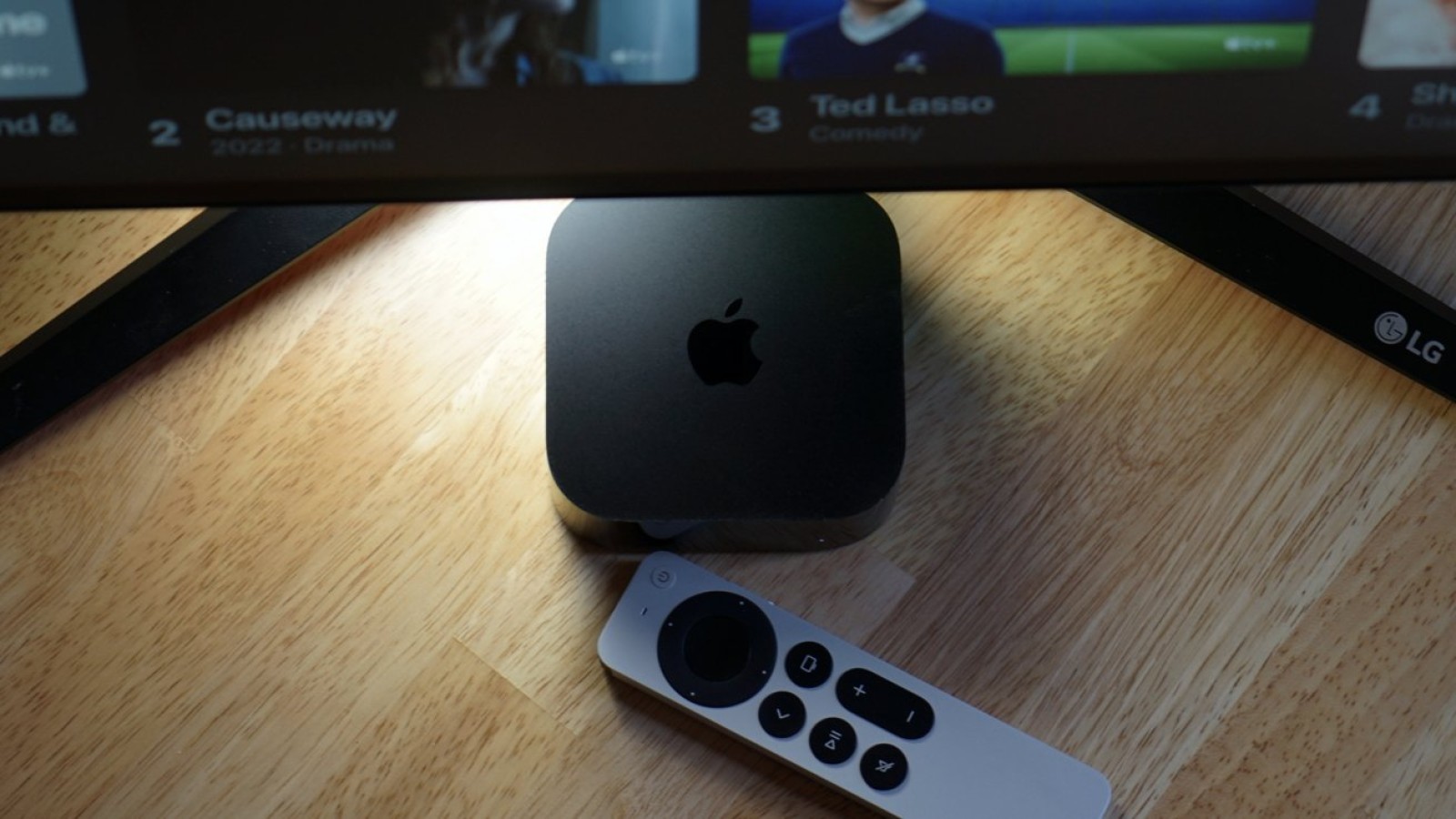
Apple TV 4K offers stronger privacy protections than the typical smart television, and a handful of settings can further limit the data it collects without disrupting your streaming experience. Understanding what the device tracks, and how to rein it in, gives viewers greater control over their information.
The concern around smart television tracking has grown following independent testing of connected sets. Security researchers examined OLED televisions and documented several forms of data collection, raising questions about how much information these devices gather during everyday use.
What Smart Televisions Collect
The tested OLED sets were found to scan local networks and rely on automatic content recognition to identify what appeared on screen. This technique allows a television to determine precisely what is being watched, whether the content arrives via an app, an external device, or broadcast.
Some behaviour went further still. According to the testing, certain televisions stored microphone audio while offline and then uploaded that data once they reconnected to the internet. This form of conversation collection extends beyond the on-screen tracking that many viewers already expect from connected sets.
How Apple TV 4K Compares
Against this backdrop, the Apple TV 4K is positioned as a more restrained option. It is described as better behaved on privacy than the smart televisions examined, though the comparison sets a modest benchmark given the extent of data gathering found elsewhere.
The device still collects some information as part of its normal operation, but its settings allow users to adjust tracking behaviour. Reviewing these options lets viewers reduce data sharing while keeping their streaming services fully functional.
Taking Control of Tracking
For anyone concerned about how much a living-room device knows about their viewing habits, the practical takeaway is that adjustments are available. The Apple TV 4K permits changes that limit tracking without breaking access to apps or streaming platforms, giving users a route to a more private setup that does not sacrifice the features they rely on.
The distinction matters most when compared with televisions that continued to store audio offline before transmitting it, a behaviour documented during the OLED testing.
Source
Image: appleinsider.com