

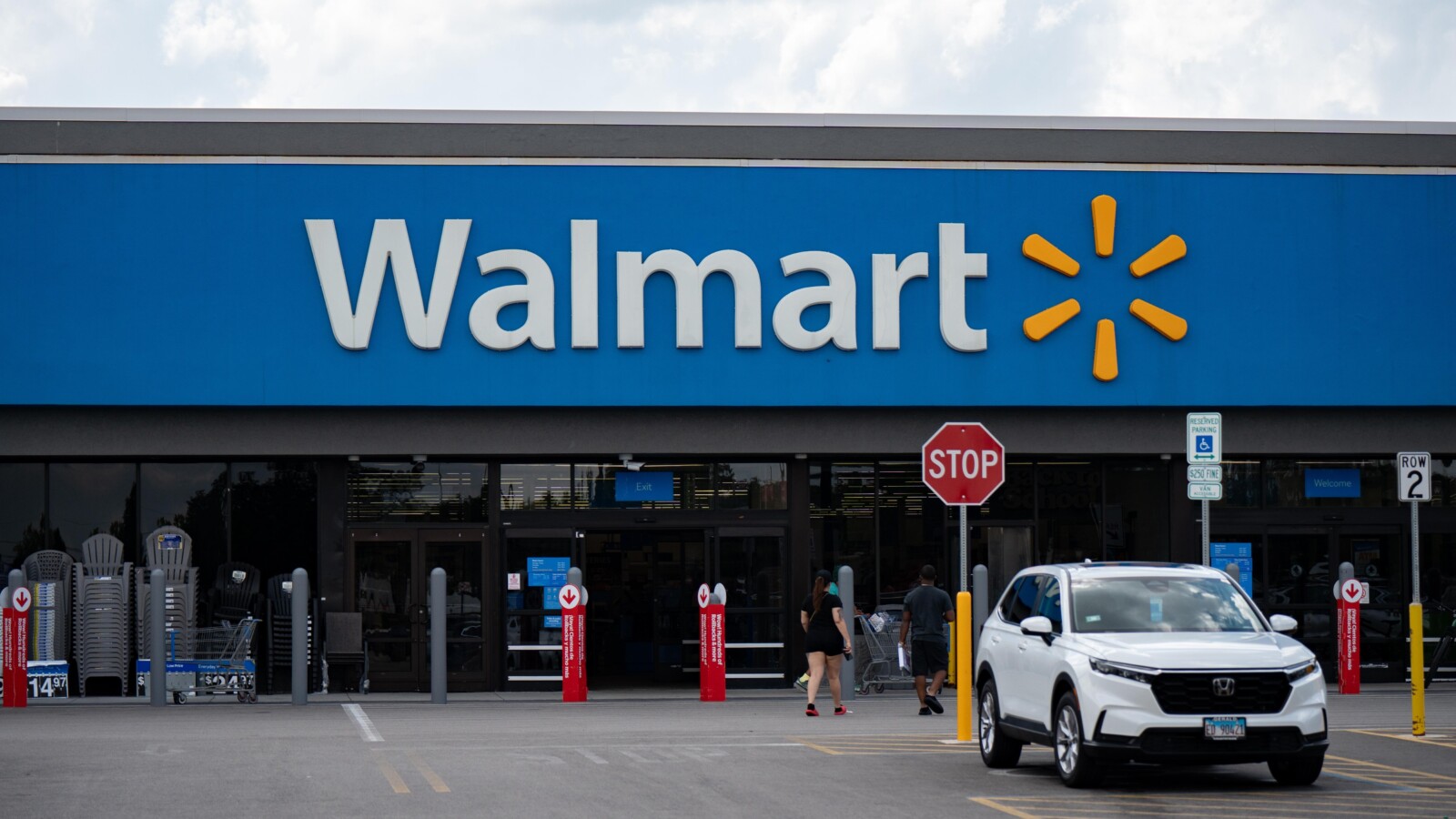
Walmart has confirmed it will not adjust product prices according to customers’ personal information or the time of day, following questions about its move to digital shelf labels across its US stores.
In a letter to customers, Walmart chief executive John Furner said the shift to electronic labelling is intended to save store associates time, rather than to alter prices in real time. “Your income, shopping history, urgency or what we think you could pay won’t change the price,” Furner wrote. He added that buying groceries or electronics on a hot afternoon, or during a sudden rush for a particular item, would never be a reason to charge more.
Furner also stated that the company would not use conversations with its Sparky AI assistant to change what shoppers pay.
Why the digital shelf labels raised concerns
The reassurance follows Walmart’s announcement, made months earlier, of plans to roll out digital shelf labels in all its US stores by the end of the year. That decision prompted concern about dynamic pricing, a practice in which retailers change prices based on factors such as product demand, competitor pricing and customer preferences.
Digital labels allow prices to be updated centrally and quickly, which is what sparked speculation that they could enable individualised charges. Walmart has framed the technology instead as an operational tool for its staff.
Regulatory scrutiny of personalised pricing
The move comes amid growing attention from regulators. The Federal Trade Commission is working on a policy to clamp down on personalised pricing, while several US states are introducing their own rules.
New York now requires retailers to disclose when they are using algorithmic pricing. New Jersey, Connecticut and Maryland have moved to ban stores from using customers’ personal data to change prices.
Source
Image: theverge.com