
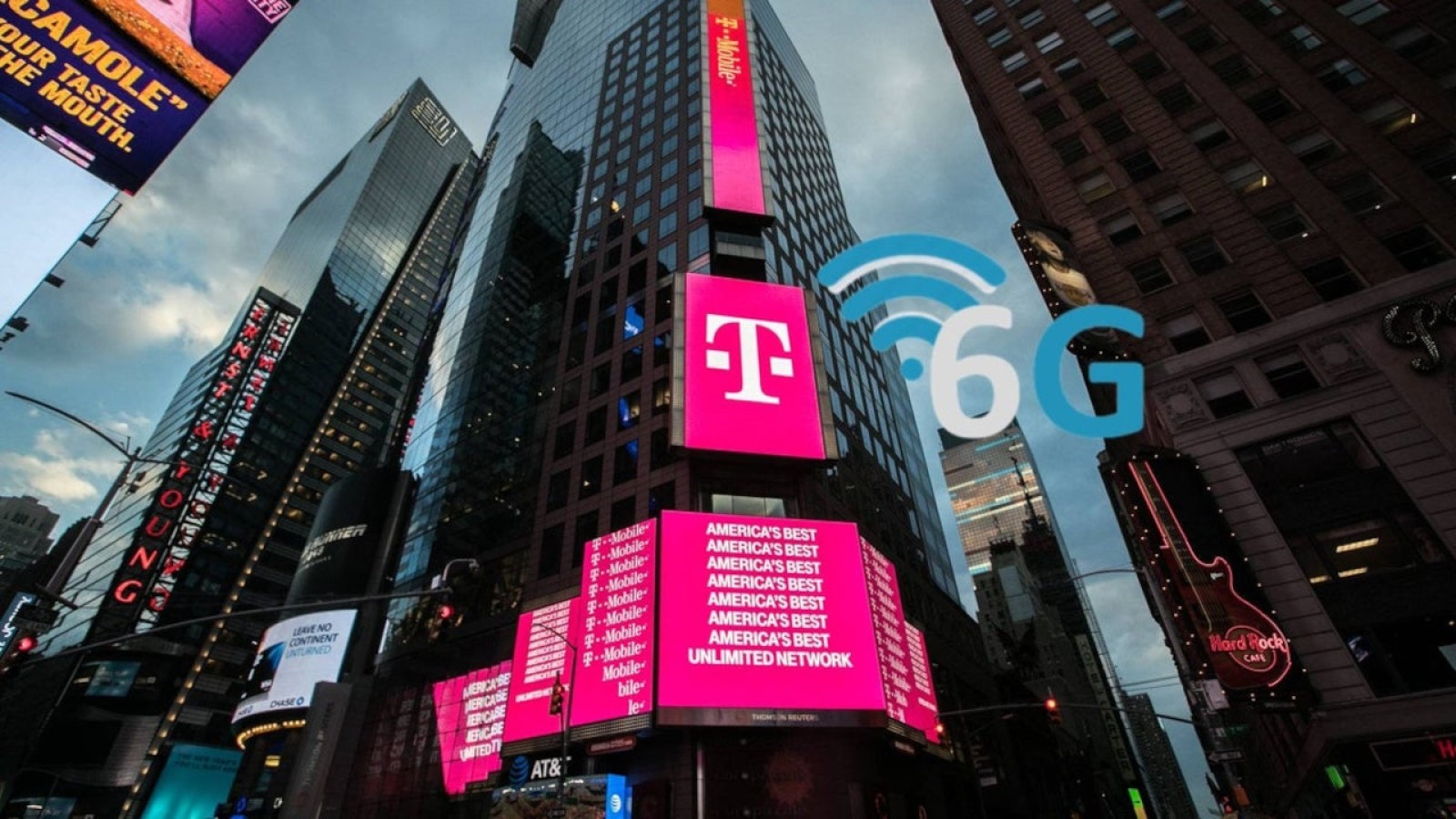
T-Mobile and Verizon have asked the FCC for permission to test the 4GHz band for future 6G use, as the race to lead the next generation of wireless connectivity begins to take shape among the major US carriers.
The move follows the mixed reception of 5G. Some of the advances anticipated at its launch have materialised, including self-driving taxis in certain areas, though these remain less widespread and less reliable than forecast. Remote surgeries carried out over 5G connectivity have also taken place, but in far smaller numbers than predicted before the technology arrived.
Why the 4GHz band matters for 6G
Several of the largest US carriers have been examining frequencies in the 4GHz band for 6G service. A recent report from the CTIA, the wireless industry’s main trade association, identified the 4GHz band, along with Upper C-Band, 2.7GHz and 7GHz airwaves, as well suited to 6G.
Ajit Pai, President and CEO of the CTIA and a former FCC Chairman, described the 4GHz band, which ranges from 4.4GHz to 4.94GHz, as “a unique opportunity to strengthen America’s wireless future.” He added that freeing up the spectrum this autumn represented the best chance to meet surging AI demand, fuel innovation, expand access to affordable broadband and reassert America’s global wireless leadership.
What Verizon and T-Mobile plan to test
Despite the enthusiasm surrounding the band, neither Verizon nor T-Mobile is fully committed, and both are seeking FCC clearance to run trials in the airwaves.
Verizon is requesting an experimental authorisation to use the 4.8-4.9GHz band to test Ericsson software and hardware in a non-commercial environment near its lab in Los Angeles. The carrier also lists Samsung as a supplier of some of the equipment under evaluation. Verizon intends to operate this as a private network unconnected to any commercial operator, over a period of one year.
T-Mobile is likewise pursuing experimental authorisation, though for a two-year period. Its tests would also take place in the 4.8-4.9GHz band, at six sites near the carrier’s Bellevue, Washington headquarters. Unlike Verizon, T-Mobile did not name the companies whose equipment it is testing.
T-Mobile stated the testing would involve up to six temporary fixed base stations, with three installed at its Bellevue headquarters and three at its lab campus. Each base station is expected to be paired with up to six experimental mobile devices. In addition, T-Mobile is seeking permission to conduct tests at 2.7GHz.
The 4GHz band is already well understood by the government, as it is used by federal agencies connected to defence and public safety.
Source
Image: phonearena.com