
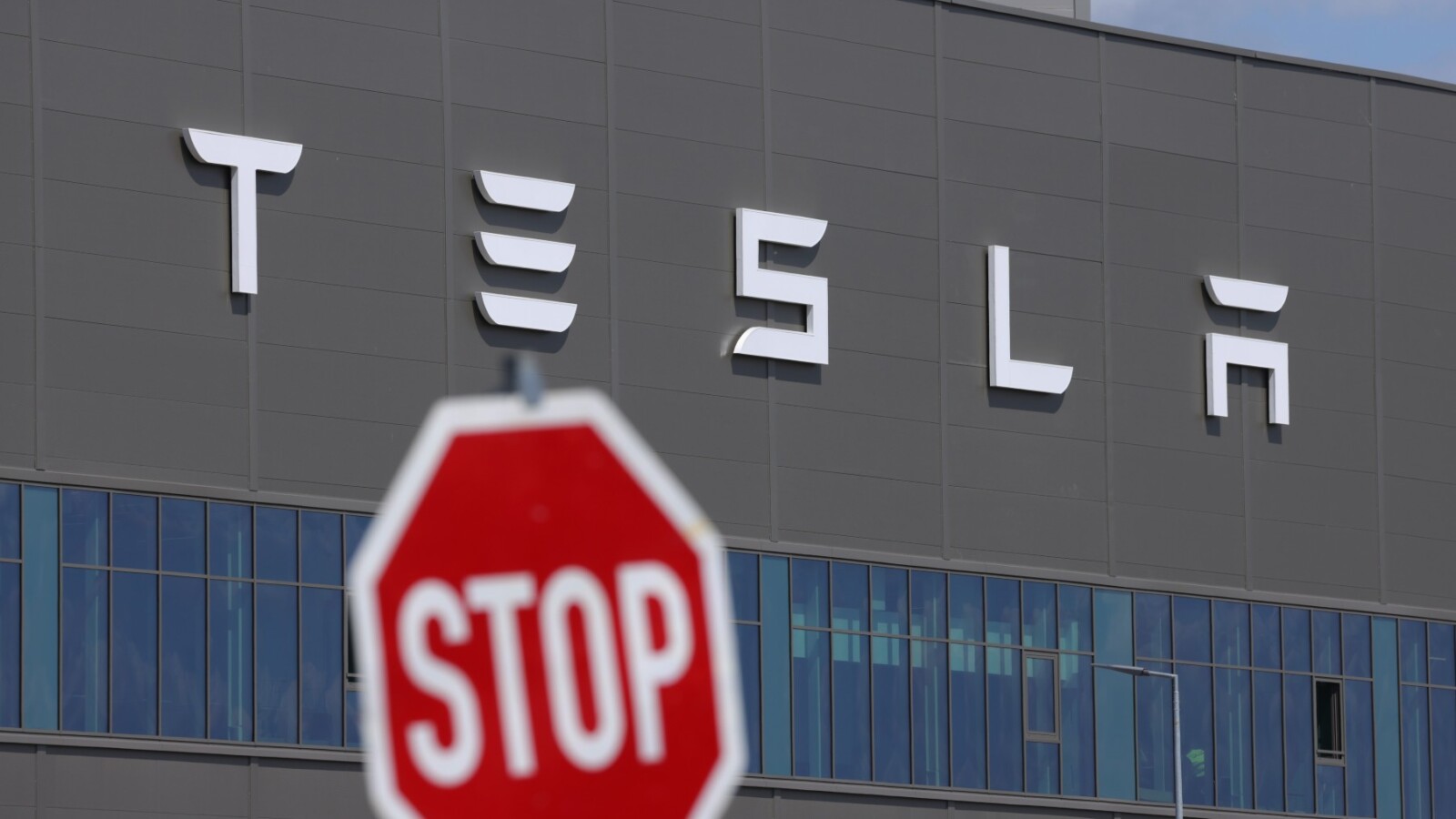
Tesla is facing a major civil rights lawsuit over years of alleged racist behaviour directed at dozens of Black employees at its flagship Fremont assembly factory in California. The case, which began this week, could reshape how the electric vehicle maker manages its workforce and human resources practices.
During opening statements, an attorney for the California Civil Rights Department presented evidence of severe workplace harassment. Photos and court documents reportedly revealed swastikas carved into factory surfaces, widespread use of racial slurs, images of Confederate flags and other white supremacist symbols across the Fremont plant.
Black employees said they received harassing messages, including “Go back to Africa” and “You want to hang from a tree?” The allegations extend beyond harassment. Several Black workers say Elon Musk’s company subjected them to unequal pay, gave them inferior job assignments and offered fewer opportunities for career advancement than other employees.
A Decade of Complaints
Complaints of unchecked systemic racism at the Fremont plant date back to 2012. The current lawsuit was filed 10 years later, in 2022. It is not the first time Tesla has faced a legal battle over racial discrimination. Also in 2022, a former Tesla worker at the Fremont plant, Owen Diaz, was awarded more than £2.3 million in damages over similar accusations.
Tesla has denied any wrongdoing, describing the lawsuit as “misguided” and suggesting the company is the real victim. During opening arguments, the company’s lead attorney, Tyree Jones, countered the state’s claims by repeatedly uttering the racial slur to illustrate his defence. Jones argued that on the factory floor, the term was frequently used as a casual greeting among Black workers rather than a derogatory insult.
A Bench Trial With Wider Implications
Because this is a bench trial, no jury will be present. Judge Peter Borkon will determine whether Tesla violated California’s civil rights laws. If the state wins, Borkon could force Tesla to overhaul its labour policies and HR practices.
Given that Fremont is one of Tesla’s most prominent factories, the ruling could have ripple effects throughout Silicon Valley, affecting workplace equity policies while serving as a test of the state’s strict antidiscrimination laws. The trial is expected to conclude in late October.