

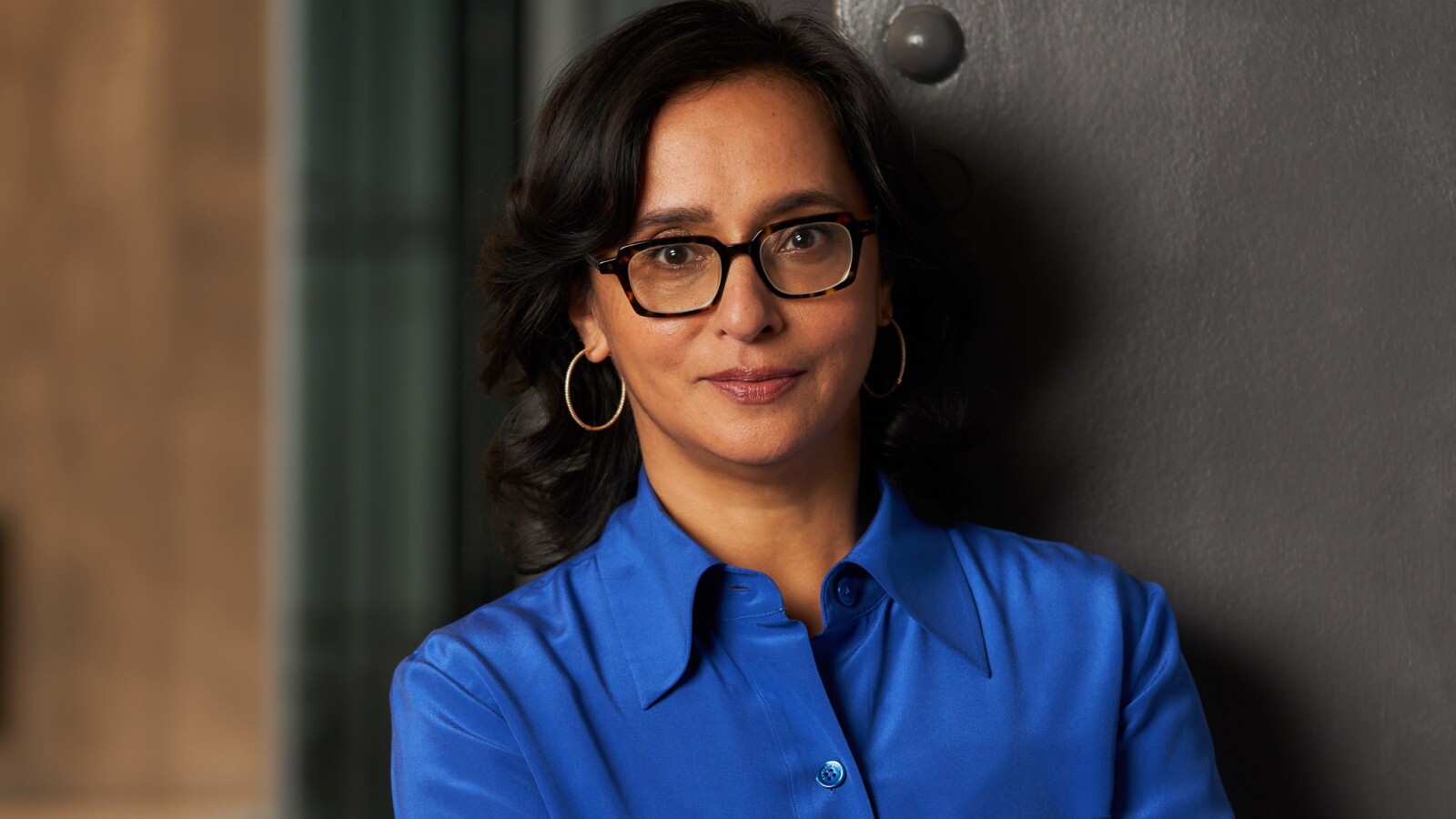
Splice CEO Kakul Srivastava has argued that AI-written communications risk undermining genuine collaboration, warning that once colleagues can no longer tell whether a real person is behind the words, the conversation that follows becomes a different, and worse, one.
Srivastava leads Splice, the sample platform relied upon by countless producers for one-shots and melodic loops. Samples drawn from the service have featured in major hits, including Lisa’s “Money” and Sabrina Carpenter’s “Espresso”. Before joining Splice, she held executive roles at Flickr, Yahoo, GitHub and Adobe, placing her consistently at the intersection of Silicon Valley and the creative community.
Keeping the Human at the Centre
At Splice, Srivastava has broadened the platform’s reach by acquiring Spitfire Audio, while also overseeing the company’s move into generative AI. She has been notably vocal about avoiding “push-button, get-song” tools of the kind that have made firms such as Suno controversial, and her scepticism appears undimmed.
The company has made a point of offering AI products that still keep the human at the centre of the creative process. Srivastava applies the same thinking to workplace communication, viewing the need to keep AI at bay in everyday exchanges as just as important.
Describing her most indispensable tool, she pointed to a well-written document paired with a real conversation about it. Splice operates as a remote-first business, so rather than hallway chats, progress comes from someone thinking an idea through and then others challenging it. Almost everything good at the company, she said, started that way, which is why she is cautious about AI-written documents. She believes the same principle holds true for music.
Music, Memory and Everyday Life
Srivastava named Instagram as her happy place online, noting that her feed has become almost entirely dedicated to people making music in unexpected ways, from gothic western to a woman in Russia organising street dancing, a musician playing modern hits on a hammered dulcimer and an Indian chai-wala rapping.
She reserved particular fondness for Antakshari, an Indian game in which a player sings part of a song and the next person must begin with a song starting on the letter the previous line ended on. Played on long car journeys, at weddings and whenever a group finds itself stuck together, the game is built entirely from music even though none of the players are musicians. For Srivastava, watching faces soften when a song lands, even when sung badly, captures the power of music.
Asked about the most disappointing gadget she has owned, Srivastava cited a cup warmer, noting that it warms the cup but not the coffee, and that it works exactly as designed.
When asked about the creation she is most proud of, Srivastava said she could not avoid naming her children, describing watching a person develop into a fully formed human with their own opinions as the most amazing thing she has been anywhere near.
Source
Image: theverge.com