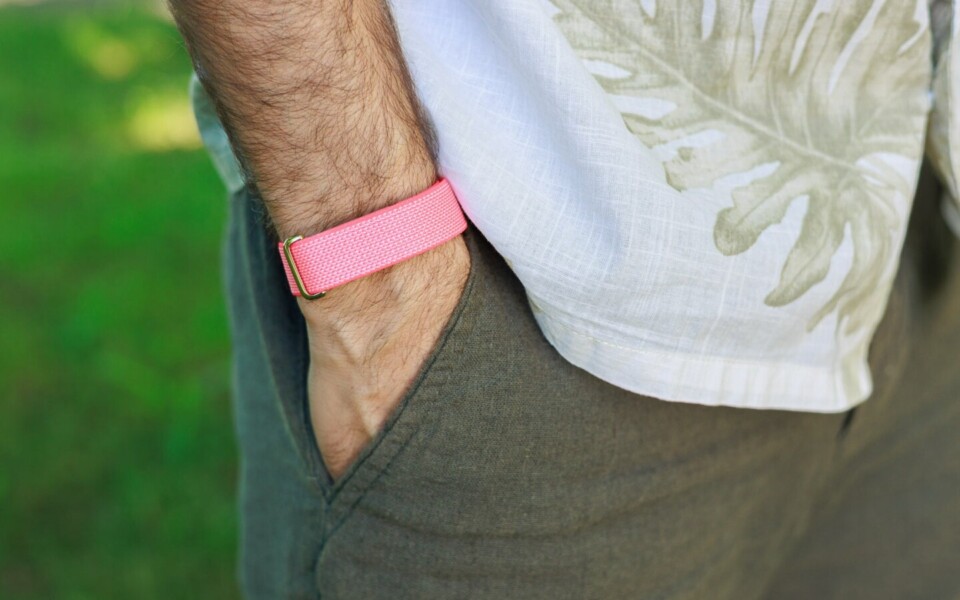

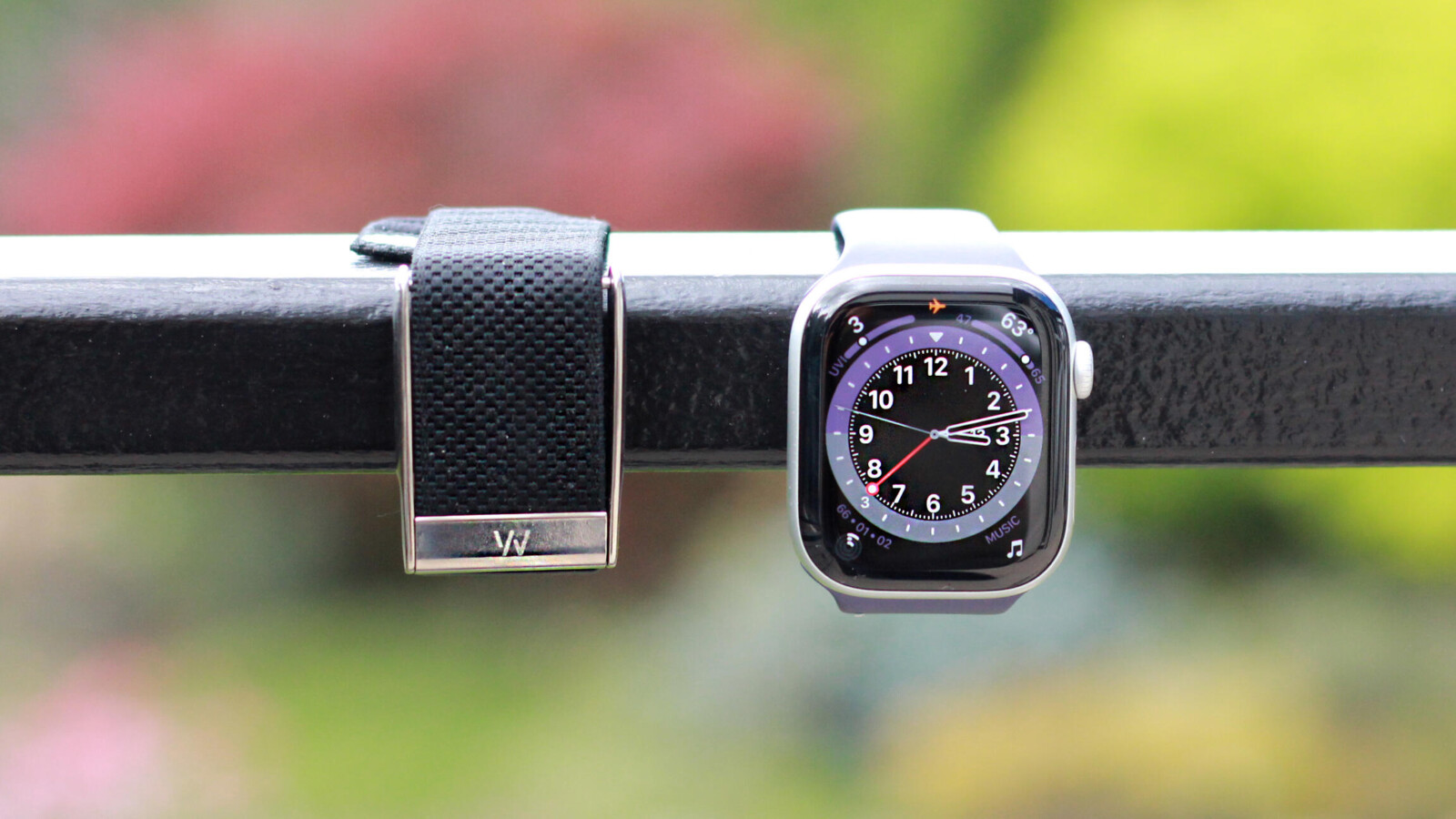
Apple’s screenless fitness tracker is reportedly in early development, positioning the company to compete with rivals such as the Whoop wristband. Screenless fitness trackers gather health data through sensors and transmit it directly to a smartphone app via Bluetooth, offering an alternative to devices with built-in displays.
The move follows a wave of similar products launched this year, including the Fitbit Air from Google, Garmin’s Cirq Smart Band and the Helio Strap Pro from Amazfit. Apple is said to have been examining screenless wearable technology for several months, with current prototypes featuring a thin fabric band and a computing module fitted with sensors. The project has reportedly involved Apple’s Vision hardware team, the group responsible for the Vision Pro headset.
Despite reported interest from Executive Chair Tim Cook and Senior Vice President of Services and Health Eddy Cue, the company has not yet decided whether to bring the product to market. Should Apple proceed, the device would not be expected to launch before 2028.
Where Apple Health is heading
The reports arrive after Apple’s announcement of a redesigned Health app with new features due to reach the public later this year. Two of these, a readiness score and Health Age, function in a comparable way to Whoop’s recovery score and Healthspan. The readiness and recovery scores indicate how prepared a person’s body is for the day ahead, while Health Age and Healthspan present a biological age, showing how a user is ageing at a cellular level compared with their chronological age.
The Oura Ring, which is also screenless, offers a readiness score alongside a Cardiovascular Age feature that estimates how the heart is ageing. The Apple Watch, Whoop band and Oura Ring all help users track fitness and health information.
The case for a screenless wearable
A screenless wearable represents a logical next step for Apple. Without a display, these devices avoid the battery drain associated with screens, tend to be less bulky and are more comfortable to wear during sleep. Their discreet design also appeals to people who prefer a wearable that is not immediately noticeable.
While the Apple Watch offers a broad range of functions beyond health and fitness, a screenless device dedicated to wellness could reach users who want a wearable solely for monitoring workouts and vital signs. Apple’s artificial intelligence tools would likely feature prominently in any such product. Siri, currently in beta, and Apple Intelligence, the company’s AI platform, already play a role in the revamped Health app, where Apple Intelligence analyses health metrics and provides summaries and suggestions.
This approach would suit a screenless wearable, particularly if users could speak to Siri to log health information and ask questions. Apple has not confirmed whether it will launch the tracker, and a representative did not immediately respond to a request for comment.