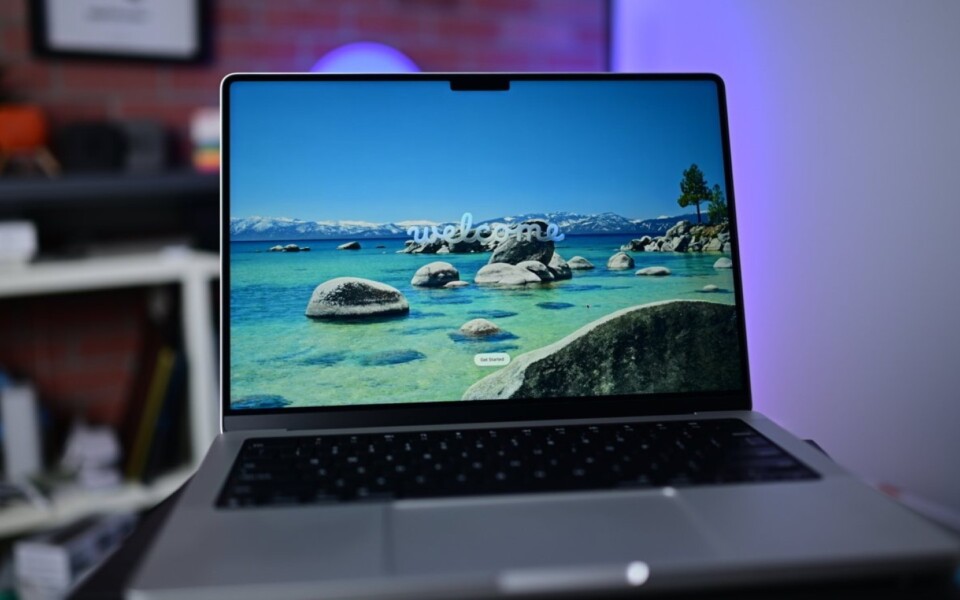

Linux support for the Apple M4 chip family is taking its first tentative steps, with early groundwork now heading into the upcoming Linux 7.4 kernel. The development marks the beginning of a process that could eventually bring the open-source operating system to Apple’s latest silicon, though users should temper their expectations for now.
Asahi Linux developer Sven Peter has submitted the pull requests that introduce very basic support for the M4 device tree, alongside provision for the MacBook Neo. These contributions represent the foundational layer required before any broader work on compatibility can proceed.
What the Initial Support Delivers
At this stage, the support is not intended to be practically usable. Once released, it will be sufficient to install the kernel on the relevant devices, and little more than that. In other words, the groundwork allows the system to recognise the hardware at a fundamental level, but it stops short of providing a functional desktop experience.
This mirrors the typical pattern of bringing Linux to new Apple hardware, where device tree definitions must be established first to describe the components present in a machine before higher-level features can be built on top.
The Road Ahead for M4 Compatibility
Considerable further development will be required to make the operating system genuinely usable across the M4 family of hardware. In particular, GPU support remains a key outstanding element, as graphics acceleration is essential for a practical computing environment.
Until that work is completed, those installing the kernel on M4-based machines will find the experience limited to the installation itself, without the broader functionality that a mature Linux port would offer. The inclusion of these pull requests nonetheless signals that work on the M4 platform is now underway within the mainline development effort.
The arrival of basic M4 recognition in Linux 7.4 establishes the starting point for ongoing efforts, with GPU driver development identified as the next major milestone needed to make the platform viable for everyday use.