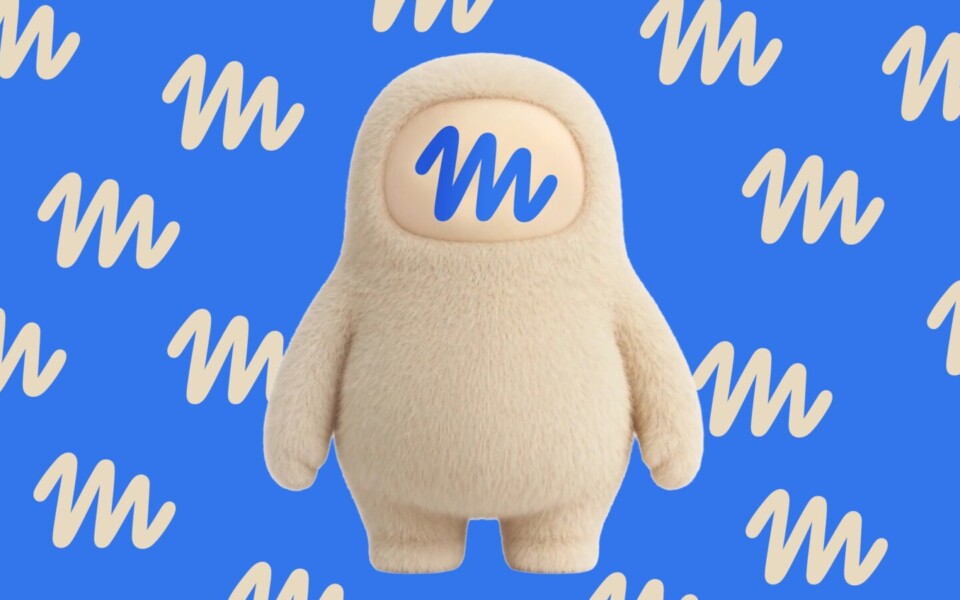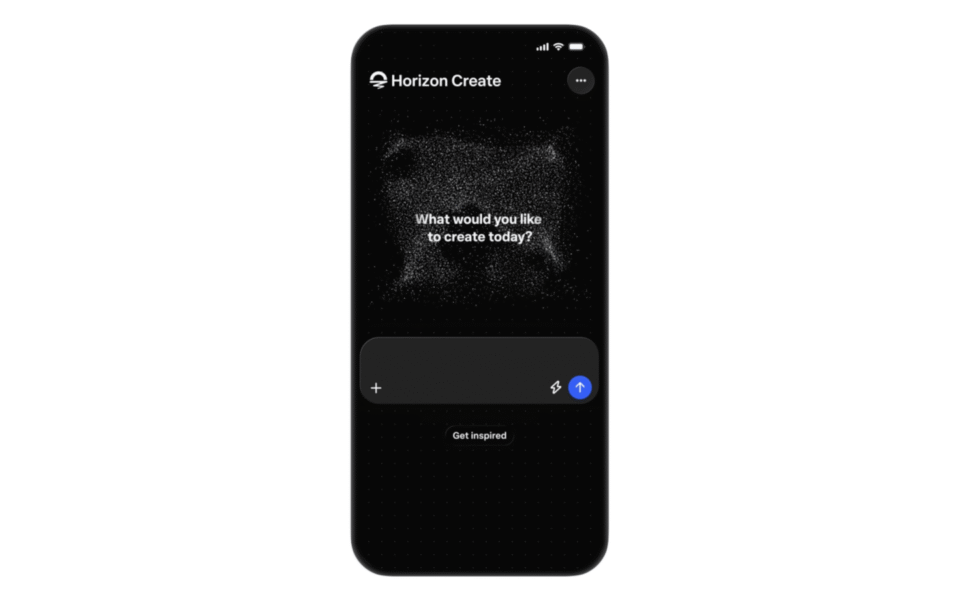

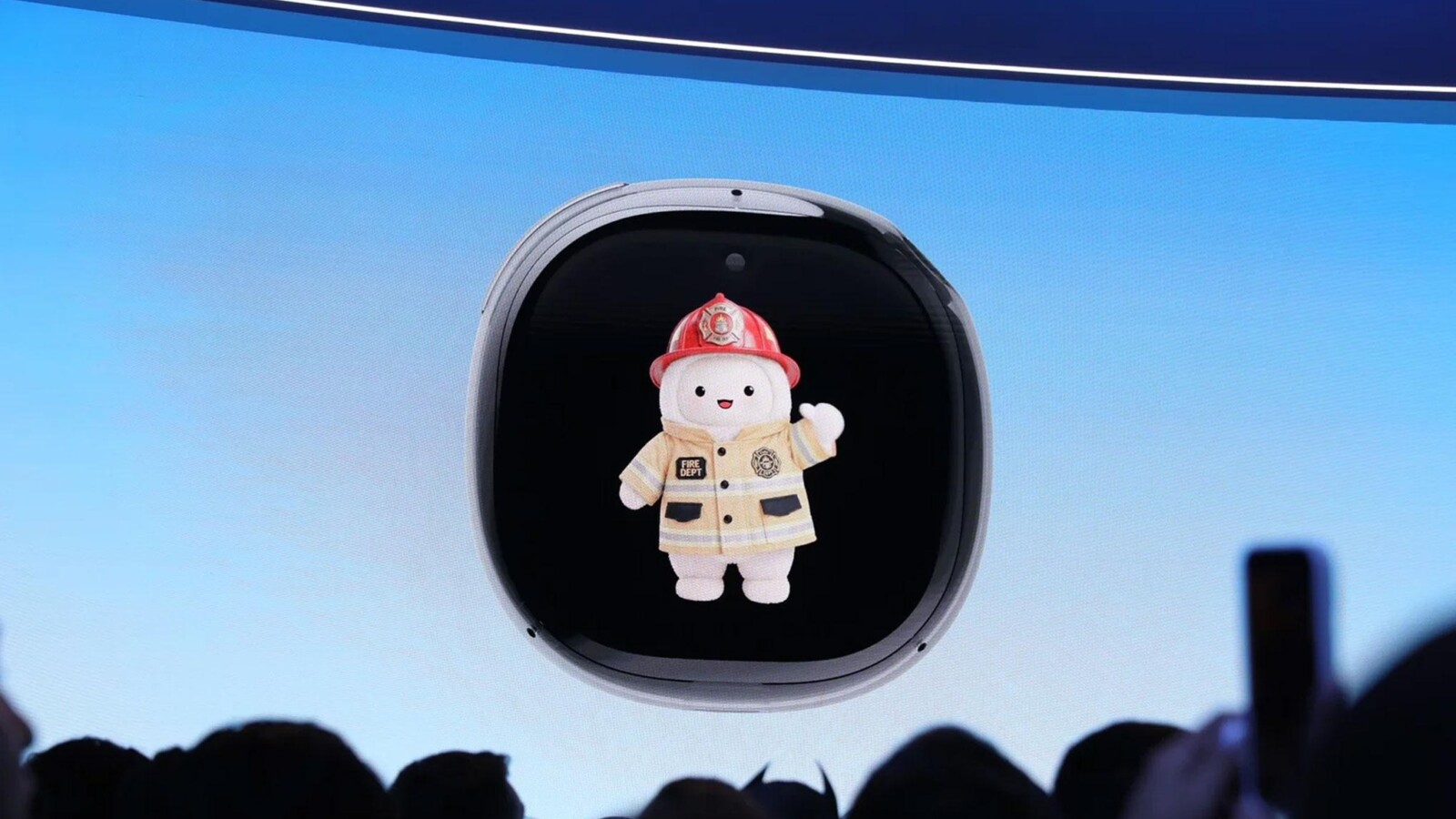
Meta’s Muse AI mascot has drawn attention for a design that pairs an approachable, endearing appearance with the wider questions such assistants raise. The AI agent can be personalised by users, who are able to give it a name and interact with it for everyday tasks.
In one hands-on account, the agent was named Blorbo and asked to help set a series of health goals. The request covered a workout regimen aimed at running a sub-30 minute 5K, alongside a plan for regaining lost muscle. The response was a weekly routine described as acceptable but unremarkable.
How the Muse AI agent adapts to users
A defining feature of Muse AI is its ability to change appearance based on what it learns about the person using it. Drawing on information from a user’s emails, the agent altered its look, taking on the form of a cat-shaped piece of bread with a face reminiscent of the character Kirby.
The result was striking for how appealing it appeared. The visual transformation was noted as being far more memorable than the practical output the assistant produced, highlighting a contrast between the tool’s charm and its functional performance.
Why the cute design prompts scrutiny
The appeal of the AI agent sits at the heart of the discussion around it. A mascot engineered to be endearing can encourage users to form a connection with a piece of software, which in turn raises questions about how such systems are built to hold attention and shape behaviour.
The reliance on personal data is central to this dynamic. Because the Muse AI mascot draws on details gathered from a user’s inbox to inform both its personality and its appearance, the interaction between data collection and an intentionally likeable design becomes a point of focus for anyone considering how these assistants operate.
The experience of naming, customising and engaging with the assistant demonstrates how Meta is positioning its AI tools as companions rather than simply utilities. The emphasis on personalisation, from the chosen name to the adaptive visual form, illustrates a broader approach to consumer-facing artificial intelligence.
The Muse AI agent can be assigned a user-selected name, modify its appearance according to data from a person’s emails, and generate task-based responses such as fitness routines on request.
Source
Image: theverge.com